
Understanding Black Mold Exposure and Its Risks
If you’ve ever noticed dark patches on your walls or a musty odor in your home, you might be dealing with a fungal tenant called black mold. Formally known as Stachybotrys chartarum, black mold is more than just an unsightly blemish on your property; it’s a potential health hazard that can lead to a variety of symptoms and long-term health issues. This article aims to provide a comprehensive understanding of black mold exposure, including its risks, symptoms, and effective mitigation strategies. For anyone concerned about the lurking dangers of black mold, exploring options regarding black mold exposure can provide valuable insights into safeguarding your health and your home.
What is Black Mold?
Black mold is a type of mold that thrives in damp conditions, commonly found in places like bathrooms, kitchens, and basements. Unlike benign molds, black mold produces mycotoxins, which can be harmful to human health. The presence of black mold can often be identified by its distinctive dark green to black color and a damp, slimy texture when wet. Although not all molds are toxic, black mold’s reputation stems from its ability to provoke severe allergic reactions and respiratory issues in some individuals.
How Mold Thrives in Homes
Mold flourishes in environments where moisture is abundant. Factors contributing to mold growth include leaks, humidity levels above 60%, and poor ventilation. It commonly attaches to materials rich in cellulose, such as wood, drywall, and carpets. To effectively manage the risk of black mold, homeowners should routinely check areas prone to dampness and ensure that any sources of moisture are swiftly addressed.
Common Misconceptions About Mold Types
Many people assume that all molds pose equal risks to health, but this is a misconception. While various molds can cause allergic reactions, black mold is often singled out due to its potential for producing mycotoxins, which can exacerbate health issues. Moreover, visible mold isn’t always an indicator of danger; the context of exposure and the individual’s health status play significant roles in assessing the risks associated with mold.
Identifying the Warning Signs of Black Mold
Early detection is critical in managing black mold exposure. Homeowners should be aware of both visual indicators and environmental factors that might signal the presence of mold. Identifying these signs can help mitigate the risks associated with black mold and promote a healthier living environment.
Visual Indicators of Black Mold Presence
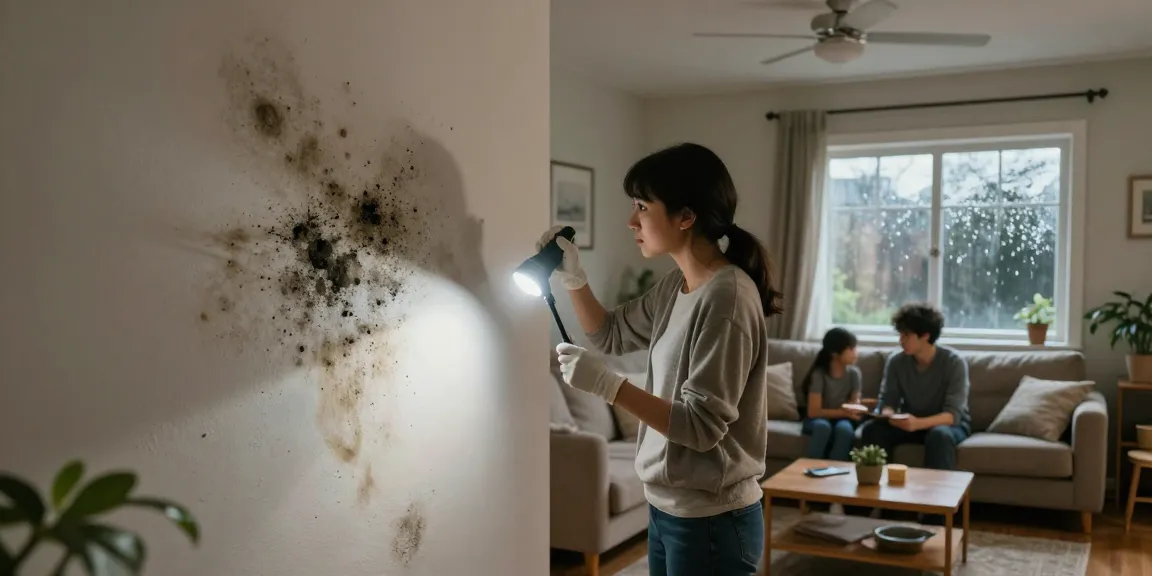
Black mold often appears as dark, slimy patches on walls, ceilings, or flooring. It may also manifest as blotchy discoloration around windows, doors, and in areas where water damage has occurred. Recognizing these signs is the first step in identifying a potential black mold problem.
Environmental Factors That Encourage Growth
Conditions such as high humidity, standing water, and poor ventilation are red flags for prospective mold growth. It’s important to maintain indoor humidity levels below 60% and to ensure that areas susceptible to moisture are adequately ventilated. Regular inspections in vulnerable locations like attics and crawl spaces can help catch mold before it becomes a more significant issue.
Recognizing Symptoms of Exposure
Exposure to black mold can lead to a range of symptoms, which often mimic those of allergies or respiratory conditions. Common symptoms include:
- Persistent cough and wheezing
- Stuffy or runny nose
- Itchy or watery eyes
- Skin irritation or rashes
- Fatigue
- Headaches
- Difficulty concentrating or memory issues
Individuals with compromised immune systems, the elderly, and young children may experience more severe reactions. If you suspect mold exposure, consult a healthcare professional for an accurate diagnosis.
Health Risks Associated with Black Mold Exposure
While not everyone exposed to black mold will face severe health complications, it’s crucial to understand the potential health risks associated with exposure, particularly for vulnerable populations.
Immediate Reactions to Black Mold
For many, the initial symptoms of black mold exposure can include nasal congestion, coughing, skin irritation, and headaches. These reactions can occur shortly after exposure and may persist as long as the individual remains in the contaminated environment.
Long-term Health Consequences
Prolonged exposure to black mold can lead to chronic respiratory issues, significant allergic reactions, and even neurological problems in some cases. Recent studies indicate that long-term exposure may also be linked to memory issues, mood swings, and persistent fatigue, highlighting the importance of addressing mold problems promptly.
At-risk Populations
As mentioned earlier, certain groups are more likely to suffer severe health impacts from black mold exposure. Children, the elderly, pregnant women, and individuals with pre-existing respiratory conditions or compromised immune systems are at a heightened risk. This underscores the necessity of vigilance in households where these individuals reside.
DIY vs. Professional Mold Removal: What You Need to Know
When dealing with black mold, many homeowners may consider handling the problem themselves. However, understanding the risks and realities of DIY mold removal versus hiring professionals is essential for effective remediation.
When It’s Safe to Go DIY
In cases of minor mold infestations—typically areas smaller than 10 square feet—homeowners may be able to manage the cleanup themselves. Essential safety measures, such as wearing protective gear and ensuring proper ventilation, should be prioritized. However, for significant mold outbreaks or hidden infestations, professional help is highly recommended.
Risks of Inadequate Remediation
Improper removal techniques can inadvertently release mold spores into the air, exacerbating the problem and leading to more serious health issues. Additionally, failing to address the underlying moisture issue can allow mold to return, creating a cycle of recurring infestations. Professional mold remediation services possess the expertise and equipment necessary for thorough inspections and safe removal.
Choosing the Right Mold Remediation Service
When selecting a mold remediation company, look for certifications, experience, and positive customer reviews. A reputable service will conduct a comprehensive assessment, follow a detailed remediation plan, and offer aftercare to reduce the chances of future mold growth.
Preventing Future Mold Problems in Your Home
Prevention is the best strategy for avoiding the costly and health-related issues associated with black mold. Implementing effective moisture control techniques and considering mold-resistant materials during renovations can greatly reduce the risk of mold growth in your home.
Effective Moisture Control Techniques
To keep mold at bay, it’s vital to control moisture levels within your home. Regularly inspect for leaks, repair plumbing issues swiftly, and use dehumidifiers in damp areas. Proper ventilation in bathrooms and kitchens, along with the use of exhaust fans, can also help maintain lower humidity levels.
Home Renovations to Combat Mold
When renovating your home, consider materials that are less prone to mold growth. Utilizing mold-resistant drywall, paints, and sealants can provide an added layer of protection. Furthermore, installing adequate drainage systems around your property can prevent water accumulation that fosters mold growth.
Mold-Resistant Materials and Products
Using mold-resistant materials is a proactive measure for preventing mold infestations. Products containing antimicrobial properties can deter mold growth, while ventilation systems that ensure air circulation can help in maintaining lower humidity levels. Investing in quality materials during construction or renovation saves money and promotes a healthier living environment.
What are the most common symptoms of black mold exposure?
Symptoms of black mold exposure can range from common allergy-like reactions—such as sneezing, coughing, and eye irritation—to more severe respiratory issues and neurological symptoms for those with heightened sensitivity.
Can black mold exposure cause long-term health problems?
Yes, studies have suggested that chronic exposure to black mold may lead to long-term health complications, including respiratory diseases, cognitive dysfunction, and increased susceptibility to allergies.
How quickly can black mold affect health?
The timeline for health effects can vary significantly among individuals. Some people may experience symptoms within days of exposure, particularly if they are sensitive or have underlying health conditions. Others may not notice symptoms until months later with ongoing low-level exposure.
Does black mold always produce a strong musty smell?
While black mold often has a distinct musty odor, not all infestations will produce an immediately detectable smell, especially minor or hidden colonies. Visible signs of mold are often a more reliable indicator than scent alone.
When should I call a professional for mold issues?
If you encounter extensive mold growth, notice a persistent musty smell, or experience health issues potentially related to mold exposure, it’s vital to reach out to a certified mold remediation professional. Early intervention can prevent more severe health consequences.


