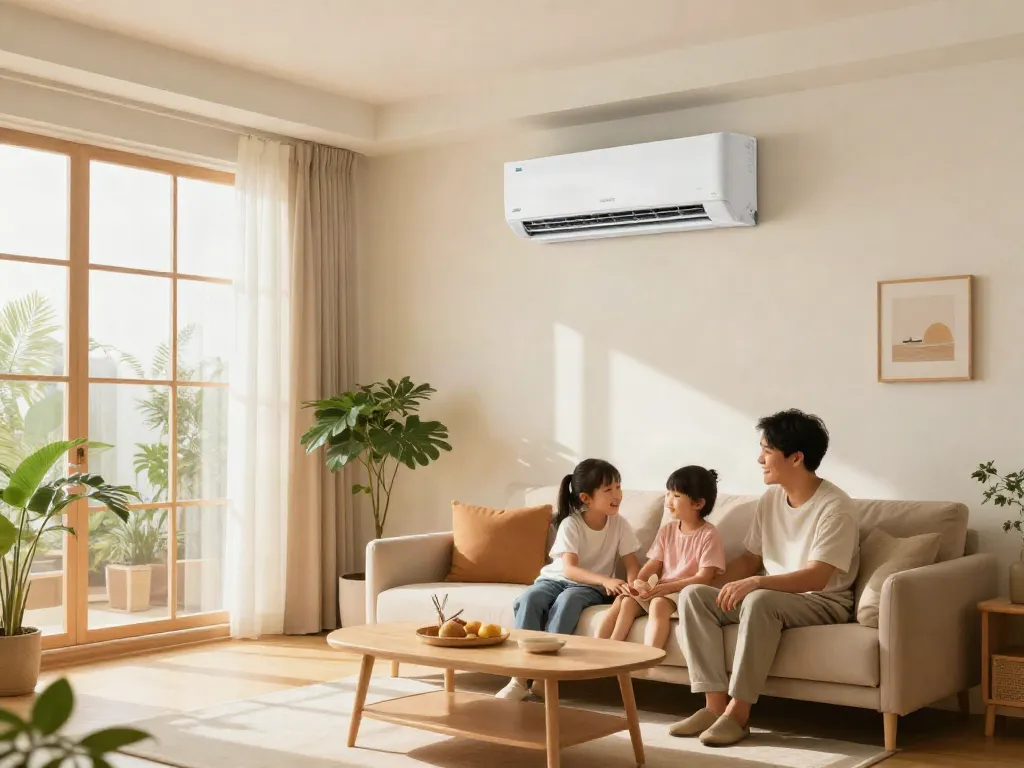
Understanding the 24000 BTU Mini Split Air Conditioner
The 24000 BTU mini split air conditioner represents a popular choice for homeowners and business owners seeking efficient climate control solutions. These systems are designed to provide both cooling and heating, making them versatile for various environments and seasonal requirements. As you explore options, 24000 btu mini split air conditioner units stand out for their capacity to efficiently manage larger spaces, such as open-concept living areas, finished basements, or commercial settings.
What is a Mini Split System?
A mini split system is a type of air conditioning that consists of an outdoor compressor and one or more indoor air handling units. Unlike traditional HVAC units that require ductwork to distribute air throughout a space, mini splits are ductless, allowing for flexible installation options. This design not only simplifies installation but also enhances energy efficiency, as there are no duct losses involved. Each indoor unit operates independently, making it suitable for heating or cooling specific zones based on individual comfort needs.
Benefits of 24000 BTU Mini Split Air Conditioners
Investing in a 24000 BTU mini split air conditioner offers several advantages:
- Energy Efficiency: Many modern models boast high SEER (Seasonal Energy Efficiency Ratio) ratings, which can significantly reduce energy bills.
- Flexible Installation: Mini splits can be installed in various configurations, from wall-mounted units to ceiling cassettes, making them adaptable to almost any space.
- Quiet Operation: These units are typically quieter than traditional HVAC systems, allowing for a more comfortable environment.
- Heating and Cooling Capabilities: With heat pump technology, these systems can provide year-round comfort, efficiently heating spaces during colder months.
Choosing the Right Size for Your Space
Selecting the appropriate size mini split air conditioner is crucial for achieving optimal performance. The capacity is measured in BTUs (British Thermal Units), and a 24000 BTU system is generally suitable for areas up to 1500 square feet. Factors influencing the required BTU capacity include:
- Room size and layout
- Ceiling height
- Insulation levels
- Windows and doors
- The local climate
Consulting with a professional can help determine the best unit size for your specific needs, ensuring comfort and efficiency.
Installation Insights for Homeowners
Installing a mini split air conditioner requires careful planning and consideration. Understanding the different installation options can help homeowners make informed decisions.
Professional vs. DIY Installation
While some homeowners may feel confident tackling installation themselves, hiring a qualified HVAC technician is typically recommended. Professionals can ensure that the system is installed correctly, adhering to local codes and regulations, and can also provide valuable insights on system placement for maximum efficiency.
Key Installation Considerations
Several factors can influence the installation of a 24000 BTU mini split air conditioner:
- Location: Outdoor units should be placed in a shaded area to enhance performance and longevity. Indoor units need to be strategically located for optimal airflow.
- Piping Length: Ideally, the length of refrigerant piping between the indoor and outdoor units should be minimized to reduce energy losses.
- Electrical Requirements: Ensure that electrical connections meet the power requirements of the unit to prevent malfunctions.
Common Mistakes to Avoid
It's vital to avoid common pitfalls during installation:
- Choosing the wrong size unit
- Improper placement of units
- Neglecting to check local codes and regulations
- Forgetting about drainage requirements for the indoor unit
Being aware of these factors can help homeowners enjoy the benefits of their mini split systems without unnecessary issues.
Performance and Efficiency Metrics
The performance and efficiency of a mini split system can significantly impact your energy usage and comfort levels. Understanding these metrics is essential for making educated choices.
Understanding SEER Ratings
SEER ratings indicate the efficiency of air conditioning systems. A higher SEER rating signifies better energy efficiency. For example, a mini split with a SEER rating of 18 is more energy-efficient than one with a rating of 14. When comparing units, consider investing in models with higher ratings, especially if you plan to use the system extensively.
How to Maximize Energy Efficiency
To fully capitalize on the energy-saving potential of your mini split system, consider the following tips:
- Regularly clean or replace air filters to ensure proper airflow.
- Utilize programmable thermostats to adjust temperatures based on occupancy.
- Keep outdoor units free of debris to maintain airflow.
- Seal leaks and improve insulation to minimize heat transfer.
Comparing Energy Costs Over Time
An energy-efficient mini split system can lead to significant savings over time. It's beneficial to evaluate your total energy costs by comparing older systems with new, efficient models. This analysis can provide insights into potential savings, making it easier to justify the investment in a high-efficiency unit.
Maintenance Tips for Longevity
Proper maintenance is crucial for extending the lifespan of a mini split air conditioner and ensuring it operates at peak performance.
Regular Cleaning and Checks
Regular maintenance should include:
- Cleaning the air filters every month during peak use.
- Inspecting and cleaning the outdoor unit to prevent debris buildup.
- Checking for any signs of refrigerant leaks or system malfunctions.
Signs Your Mini Split Needs Service
Be vigilant for any signs that may indicate your mini split system requires professional attention. Common signals include:
- Unusual noises or vibrations
- Inconsistent temperatures across different zones
- Increased energy bills without a change in use
- Foul smells from the indoor units
Best Practices for Seasonal Maintenance
Before the summer cooling season or winter heating season, schedule a professional maintenance check. This ensures that all components are in good working order and helps to prevent unexpected breakdowns.
Future Trends in Mini Split Technology
The world of mini split air conditioners is constantly evolving, with new technologies emerging to enhance efficiency and user experience.
Innovations on the Horizon for 2026
Emerging technologies are likely to focus on further improving energy efficiency, such as advanced inverter systems that can adjust compressor speed based on real-time cooling needs. Features like smart home integration will also become standard, allowing users to control their systems seamlessly via smartphones and voice commands.
Sustainability and Eco-Friendly Options
With an increasing focus on sustainability, manufacturers are developing eco-friendly refrigerants that have a lower environmental impact. Future models will likely incorporate these refrigerants alongside energy-efficient designs to meet evolving regulations and consumer demands.
Smart Technology Integration
Smart home technology is set to play a pivotal role in the future of mini split systems. Features such as remote monitoring, automatic scheduling, and integration with smart home systems will enhance user experience and energy management.
Frequently Asked Questions
What are the installation costs for a 24000 BTU mini split system?
Installation costs can vary significantly based on location, complexity, and labor rates. Generally, homeowners can expect to pay between $1,500 and $4,000, including equipment and installation.
How does a mini split compare to traditional HVAC systems?
Mini split systems offer several advantages over traditional HVAC systems, including higher energy efficiency, quieter operation, and the flexibility to control temperatures in individual rooms or zones.
Can a 24000 BTU unit efficiently cool multiple rooms?
While a 24000 BTU unit is primarily designed for a larger single room or open area, it can be used to cool multiple adjacent rooms through appropriate installation strategies, such as using multi-zone systems.
What maintenance is required for a mini split air conditioner?
Routine maintenance includes cleaning or replacing air filters, checking for refrigerant leaks, and scheduling professional inspections annually to ensure optimal performance.
Are there energy-saving features in new mini split models?
Yes, many new mini split systems are equipped with energy-saving features, such as inverter technology, which adjusts the compressor speed based on the actual cooling needs of the space, significantly reducing energy consumption.